Building Open-Source Batteries for Stationary Energy Storage

Kirk Pollard Smith, PhD

Flow Battery Research Collective

Daniel Fernandez Pinto, PhD

Flow Battery Research Collective

May 23, 2026

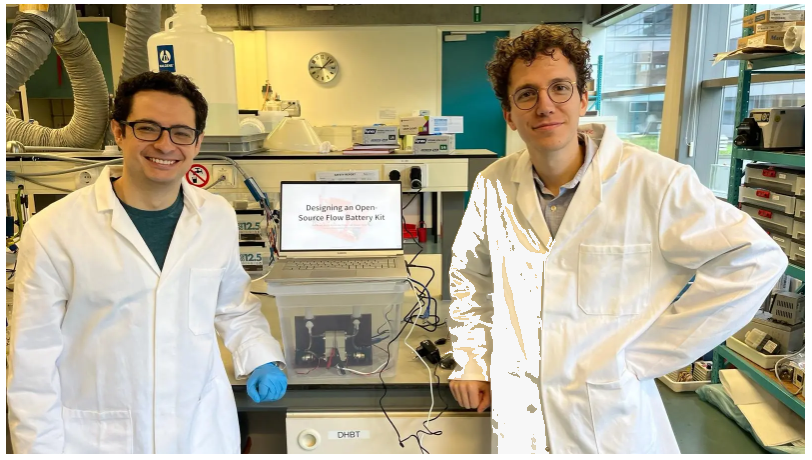
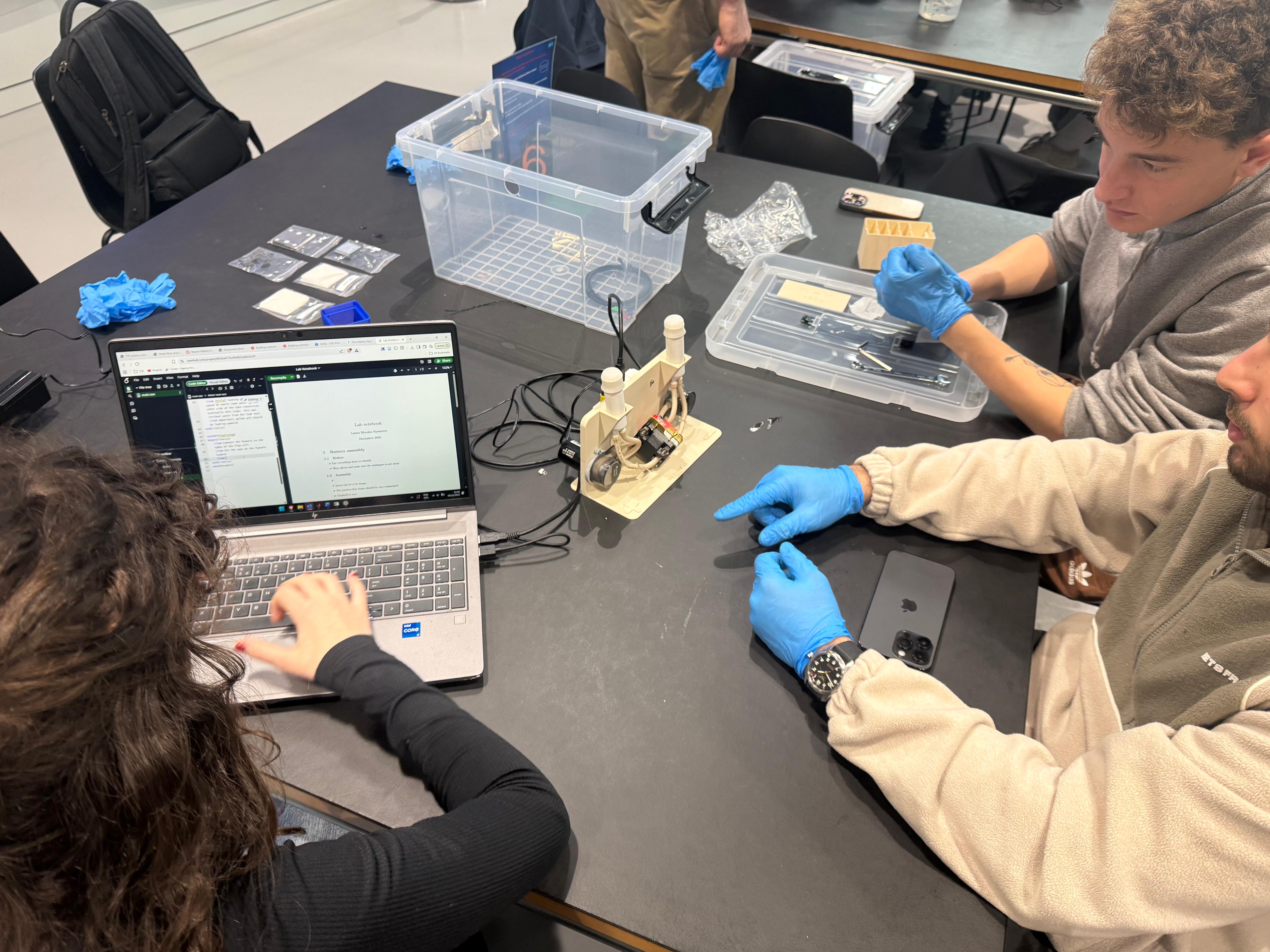
Our normal attire

All info at https://fbrc.dev !

Don’t believe the (battery) hype

When you see the latest announcement of a battery breakthrough…

🙊 Don’t say: “Finally, we can have unlimited renewable energy!”

🗣️ Do say: “Where did they cheat this time?”

“Easiest to wait a week or two and wait for someone else to analyze it and point out the holes”1

Certified Open-Source by OSHWA

https://certification.oshwa.org/fr000028.html

We want to get to the 10+ kWh level

But it is hard. How we’ll do it:

  • Prioritize abundant/affordable materials
  • Chemistry-agnostic approach
  • Flow and non-flow approaches
  • Lower the barrier of entry for R&D
  • Open-source approach

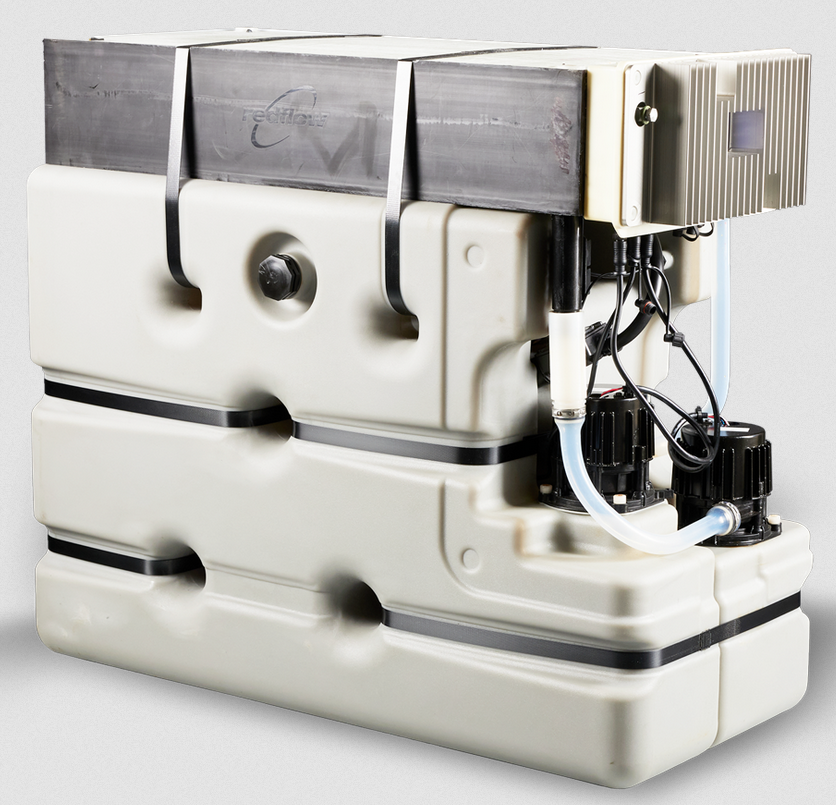
Redflow’s ZBM3, 3 kW / 10 kWh zinc-bromine flow battery1

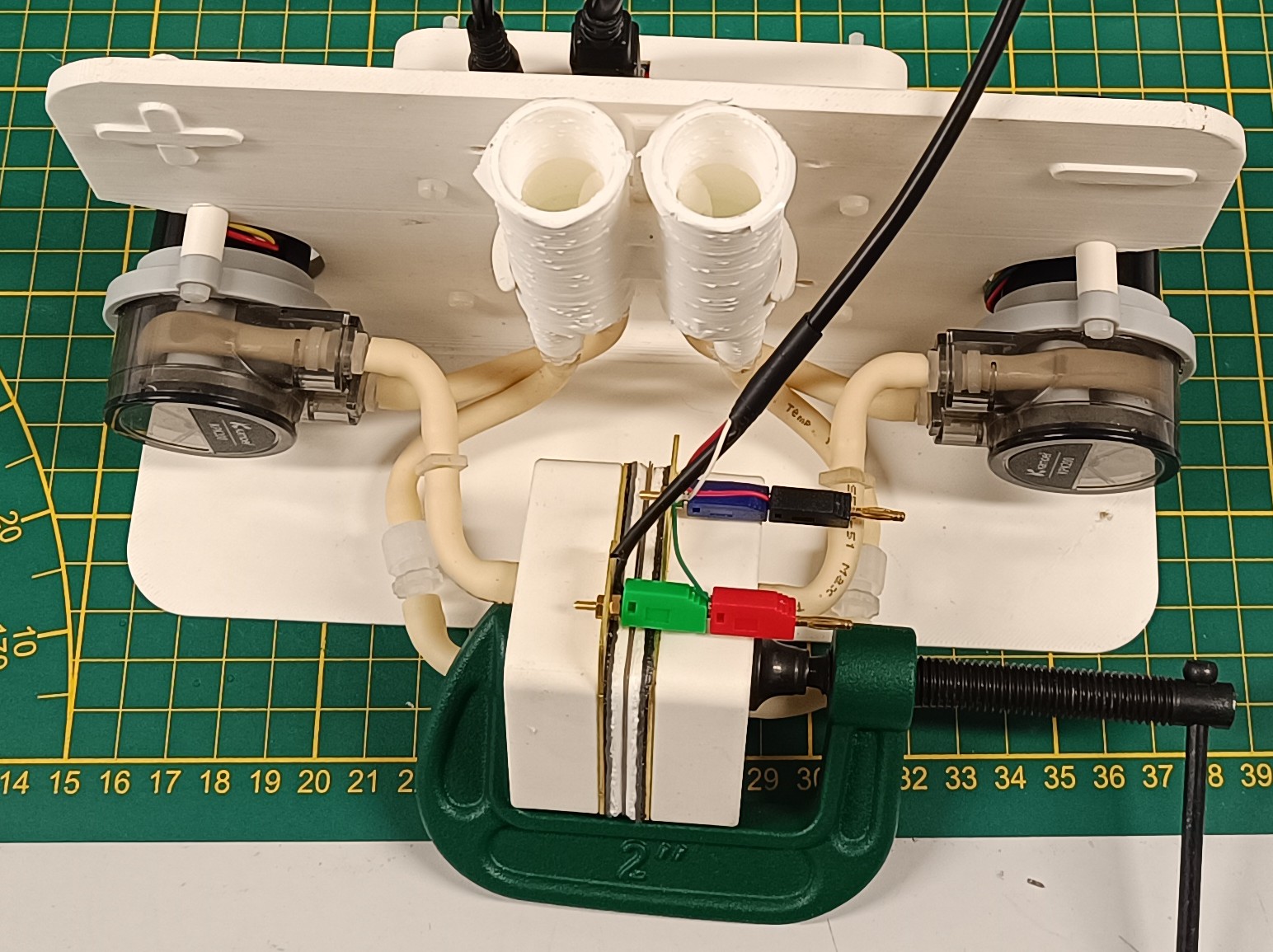
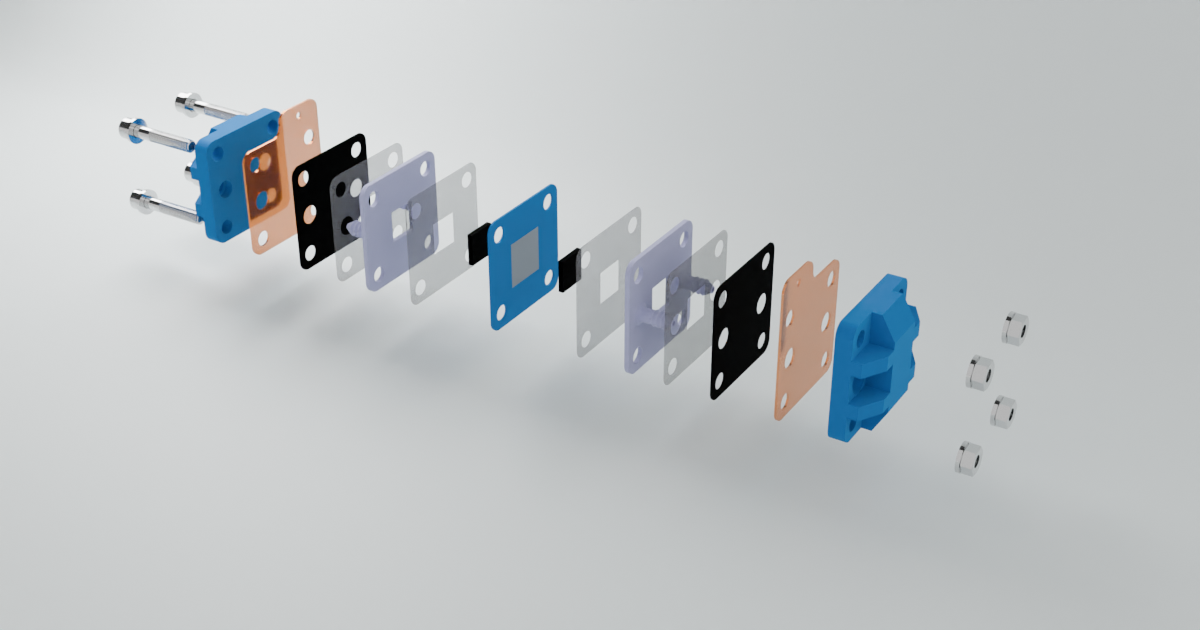
A benchtop test cell

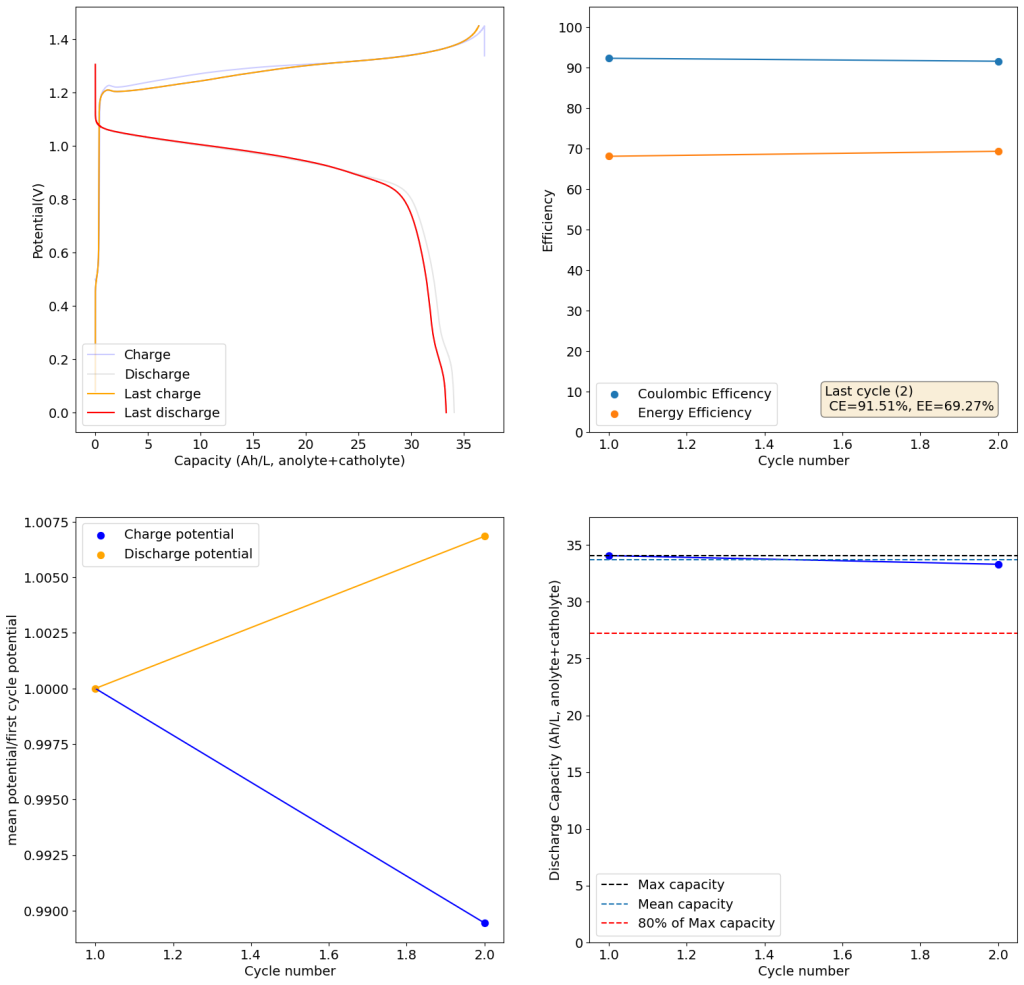
Flow cell test system is robust and… it works!

  • Hardware able to test cells on multi-week timescales
  • Peak round-trip energy efficiencies over 70% (excl. pumps)
  • Tackling oxygen intrusion, leaks/evaporation over long timescales

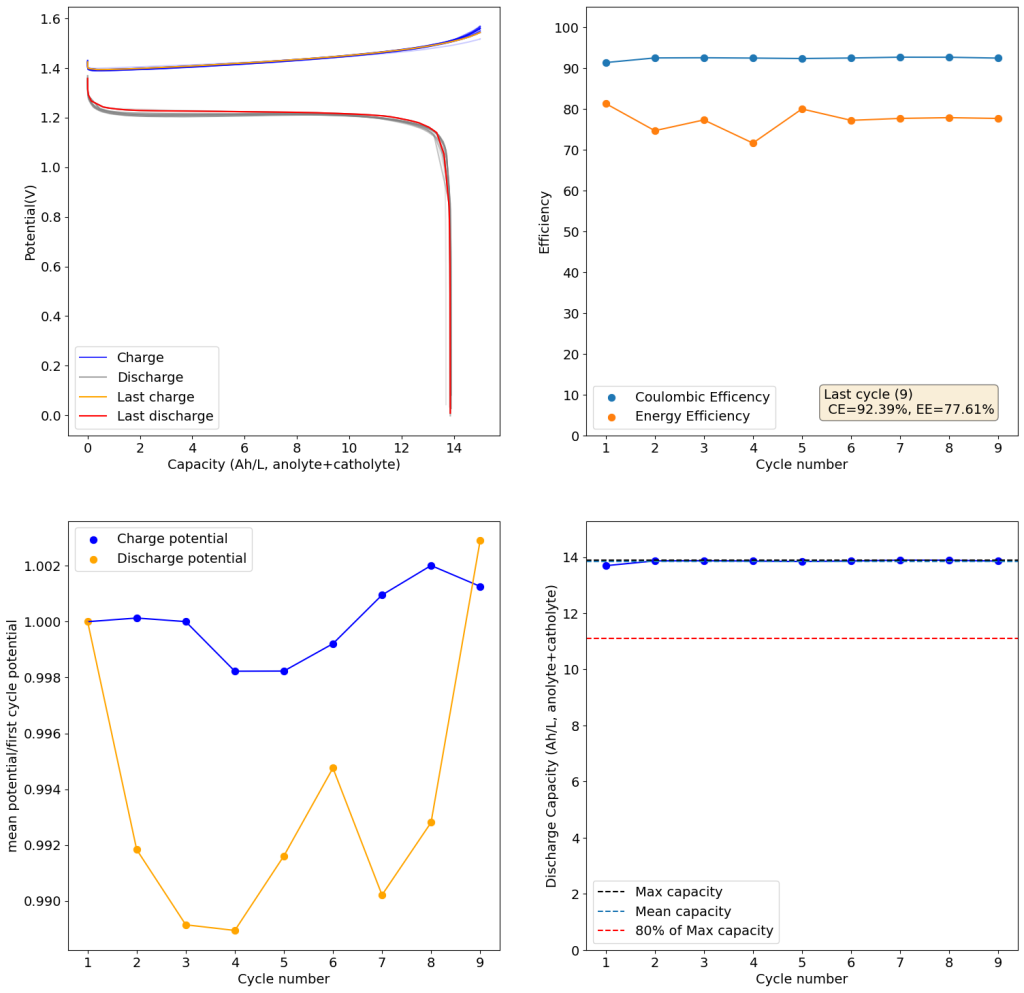
Zinc-iodine: our workhorse

  • Zn-I battery chemical costs ~80 USD/kWh

  • Negative Terminal (Anode): \(\ce{Zn_{(s)} -> Zn^2+ + 2e-}\)

  • Positive Terminal (Cathode): \(\ce{I3- + 2e- -> 3I- }\)

  • Pros: Decent energy density, stability, efficiencies

  • Cons: Iodine vapors corrosive, hybrid chemistry
All-iron: our dream

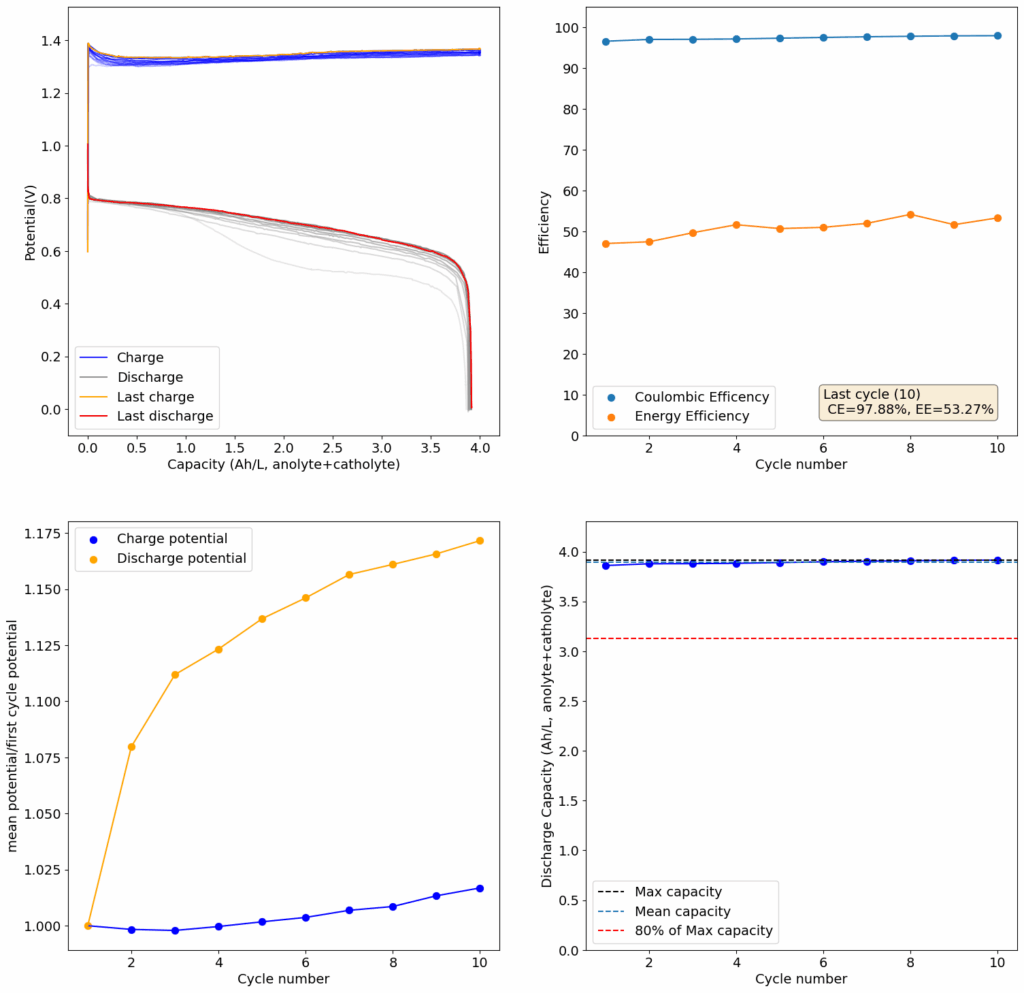
  • Currently testing lower cost all-Fe chemistries using water-in-salt (WiSE) MgCl₂ and CaCl₂ electrolytes.

  • Fe-CaCl₂ battery chemical costs ~30 USD/kWh

  • Negative Terminal (Anode): \(\ce{Fe_{(s)} -> Fe^2+ + 2e-}\)

  • Positive Terminal (Cathode): \(\ce{Fe^3+ + e- -> Fe^2+}\)

  • Pros: cheap, safe, sounds cool

  • Cons: Less stable for now, lower energy density, efficiency, hybrid chemistry
175 cm² cell in development
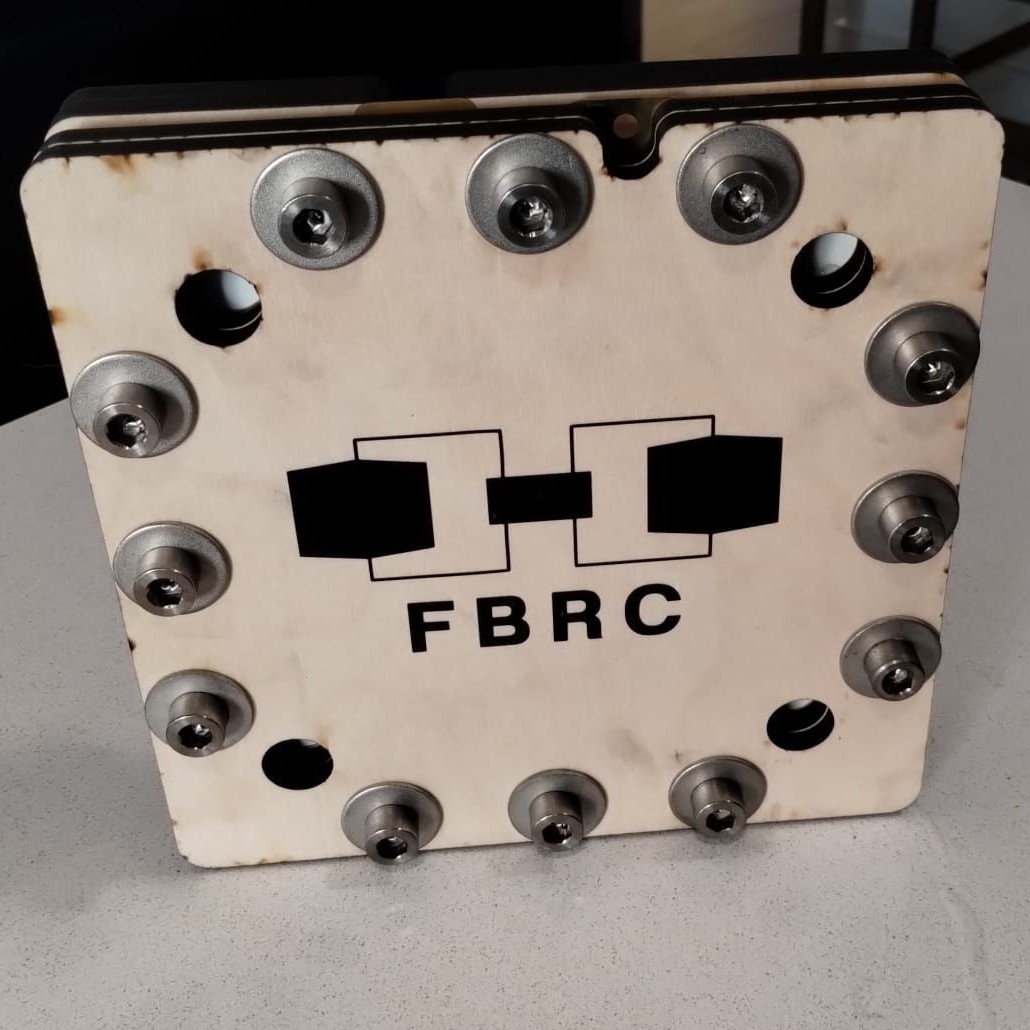
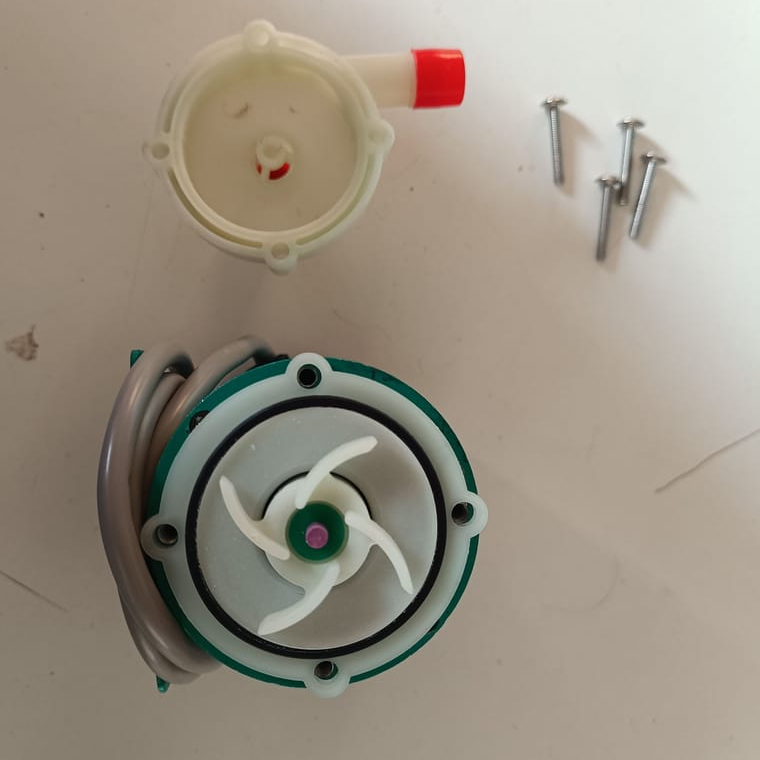
Same design approach as the smaller 2 cm2 cell

Magnetically-driven chemically-resistant centrifugal pumps

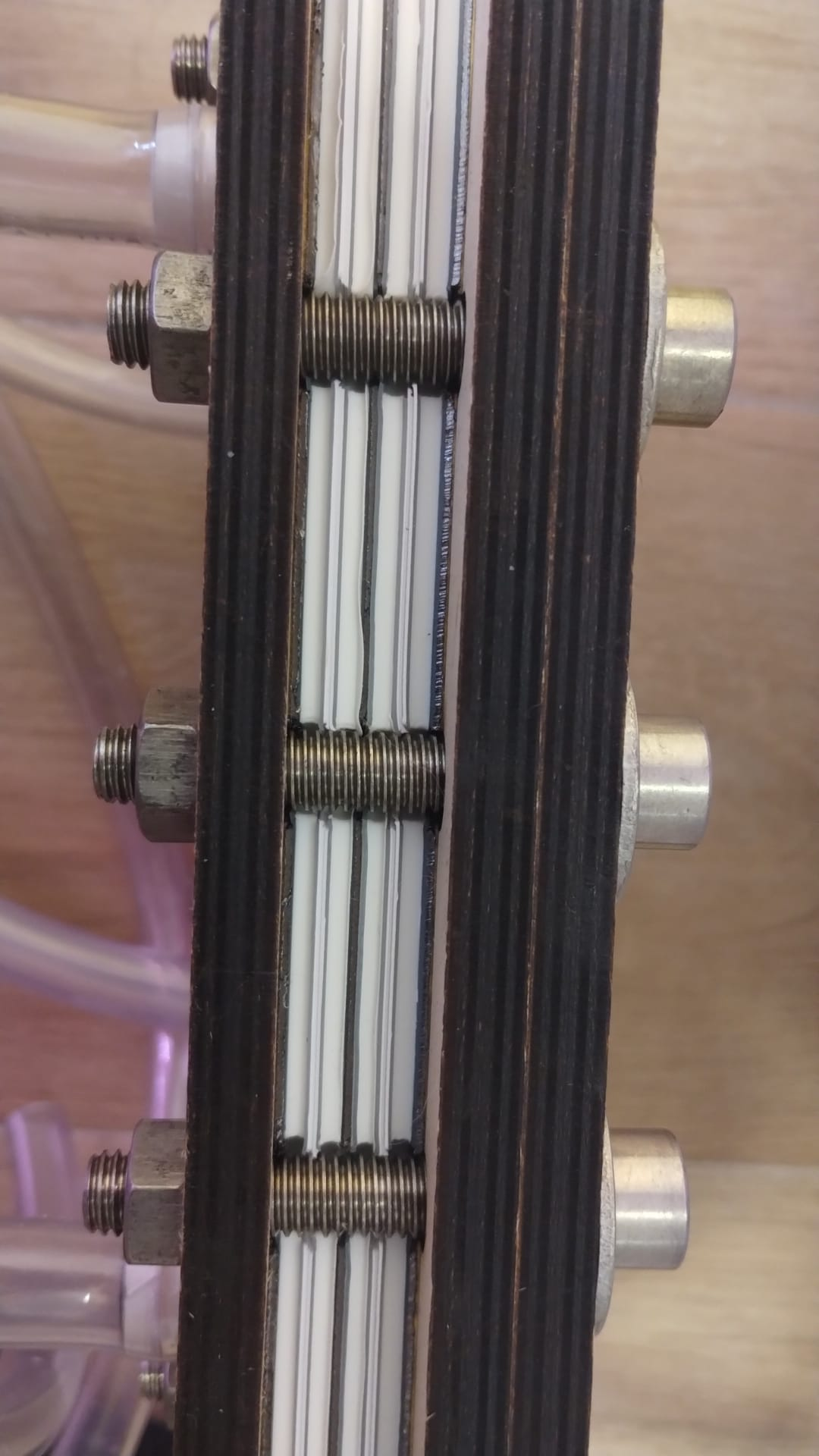
The 175 cm² cell can be stacked

Internal fluid manifolds allow for stacking the cells in series to increase voltage

Static (non-flow) batteries

We can reuse our existing designs, and go even simpler
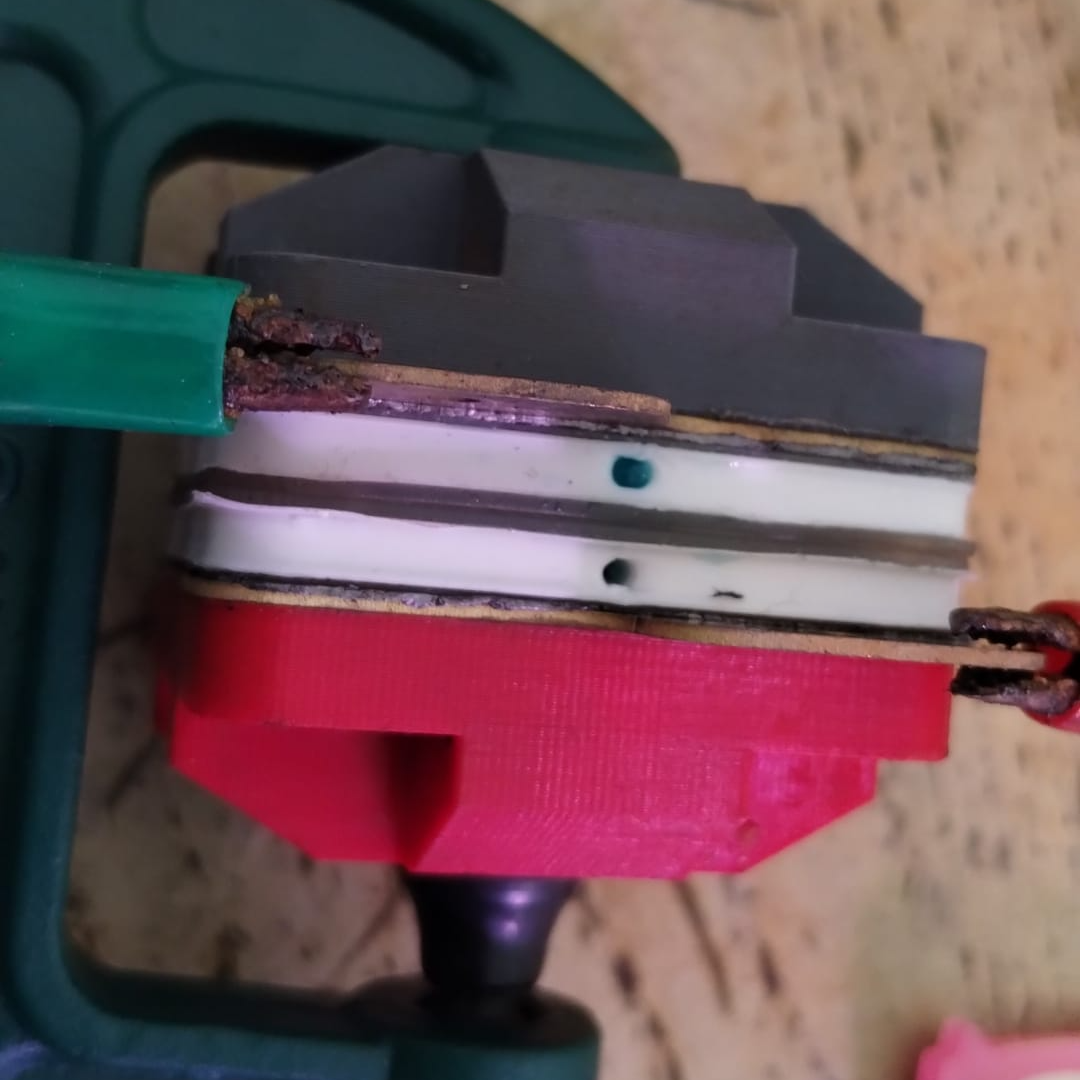
From this…

to this

The Flow Battery Research Collective?

  • Flooded/static cells (think lead-acid) are also interesting and don’t have a standard testing approach (Li-ion coin cells not applicable)
  • Allows even cheaper way to start battery research
  • May change name to the Fun Battery Research Collective?
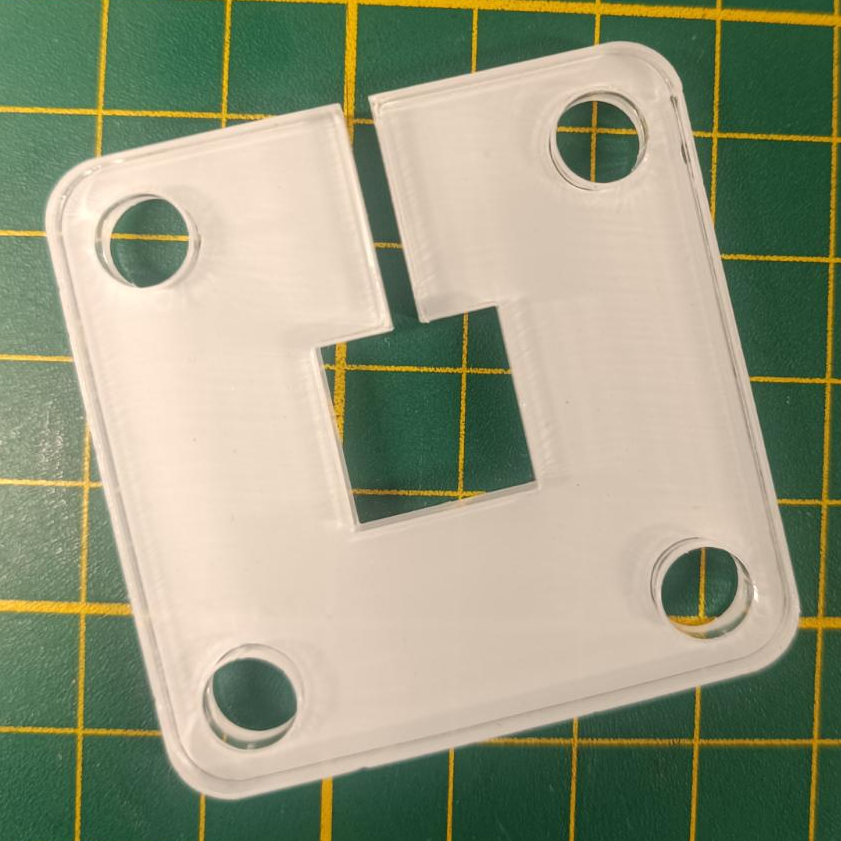
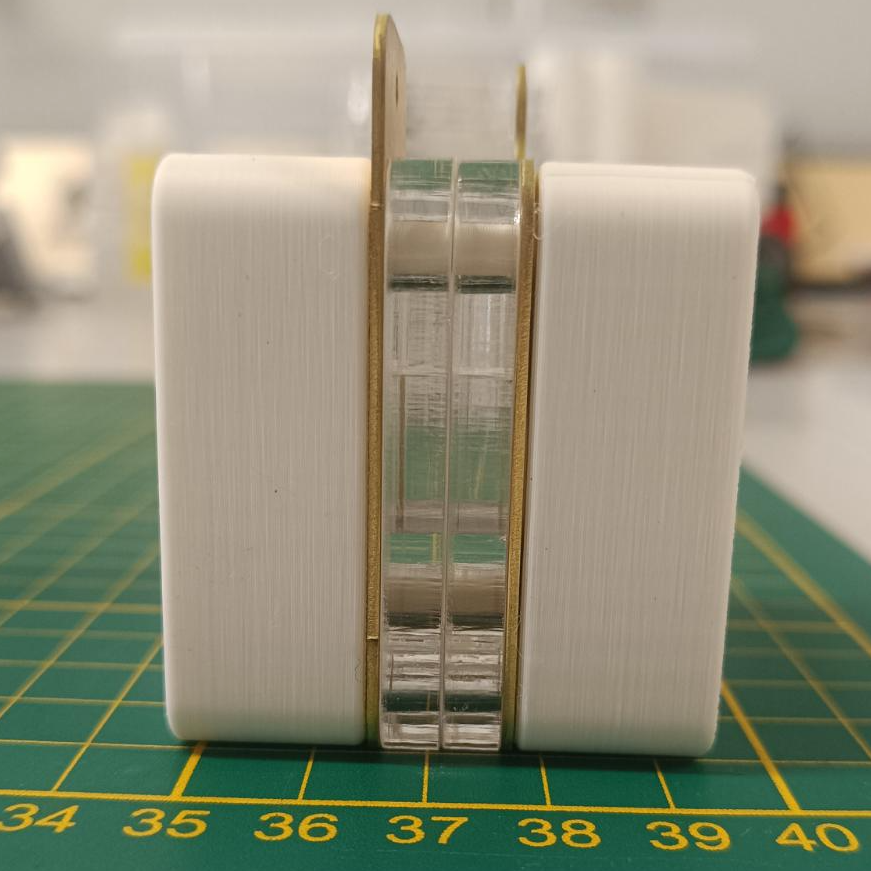
Static frame is simply filled from top with electrolyte

Most existing cell parts are reused

Copper-manganese

  • Static battery using Cu/Mn chemistry in methanesulfonic acid (MSA)

  • Tested with carbon felt and grafoil electrodes
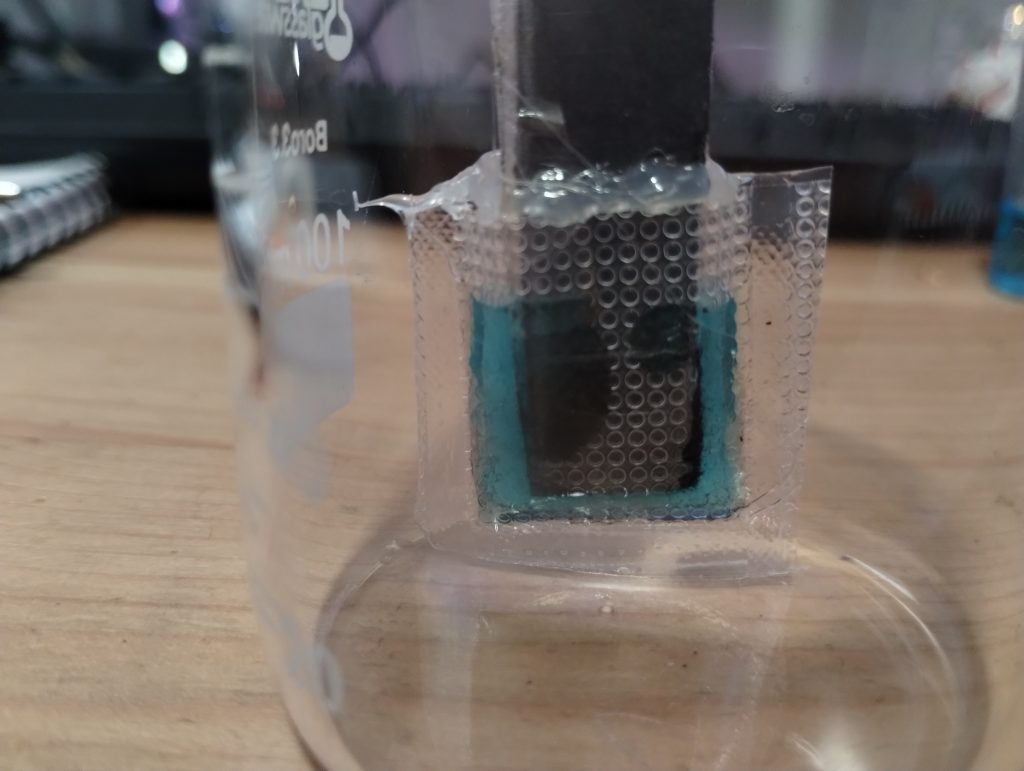
  • Negative Terminal (Anode): \(\ce{Cu_{(s)} -> Cu^2+ + 2e-}\)

  • Positive Terminal (Cathode): \(\ce{MnO2_{(s)} +4H+ + 2e- -> Mn^2+ 2H2O}\)

Static batteries

  • Initial tests show promising stability and decent energy density—enough to justify further work
  • 30-35Wh/L, comparable to lead-acid batteries
  • Cost is 8-16 USD/kWh

Cost estimate for Cu-Mn: graphite felt

Material Qty. for 1 kWh Unit Price Cost
CuSO₄·5H₂O 5.71 kg $1.40/kg $8.00
MnSO₄·H₂O 3.86 kg $0.45/kg $1.74
MSA (70%) 7.85 kg $1.55/kg $12.17
Battery grade felt 5.71 m² $25/m² $142.85
Graphite collector (cathodes), 2 mm assumed, 2.857 m² 10.29 kg $6/kg $61.71
Copper collector (anodes), 0.5 mm assumed, 2.857 m² 12.80 kg $5.90/kg $75.52
Celgard separator 2.857 m² $2.20/m² $6.29
  • Full 1kWh battery estimated material cost: ~310 USD
  • For comparison lithium iron phosphate (LFP) cost/kWh is currently 60-80 USD

Cost estimate for Cu-Mn: coke?

Material Qty. for 1 kWh Unit Price Cost
CuSO₄·5H₂O 5.71 kg $1.40/kg $8.00
MnSO₄·H₂O 3.86 kg $0.45/kg $1.74
Methanesulfonic acid (70%) 7.85 kg $1.55/kg $12.17
Calcined petroleum coke (CPC) 22.6 kg $0.60/kg $13.56
Activated carbon (10 wt%) 2.66 kg $2.37/kg $6.30
Conductive carbon black (3 wt%) 0.80 kg $1.20/kg $0.96
PTFE binder (2 wt%) 0.53 kg $10/kg $5.30
Separator 2.86 m² $1.70/m² $4.86
Titanium tabs (only) small - <$2

Full 1kWh battery estimated material cost: ~55 USD

Our plan

  • Continue to test and validate our large scale flow battery cell.
  • Produce stable charge/discharge curves with the large flow cell.
  • Implement a 1kWh stacked flow battery using Zn-I at 12V.
  • Validate the Fe chemistry at a small scale so that we can pursue a large scale implementation.
  • Test a small scale pretroleum coke Cu-Mn battery.
  • Test a medium scale design for a Cu-Mn battery (35-100Wh).
  • Continue to explore interesting chemistries at a small scale.

Independent replication: it happens!

Cost and safety risks of chemicals are big barriers. But, nice internet strangers have still managed to replicate our work.

Educational institutions are well-equipped to seed initial replications
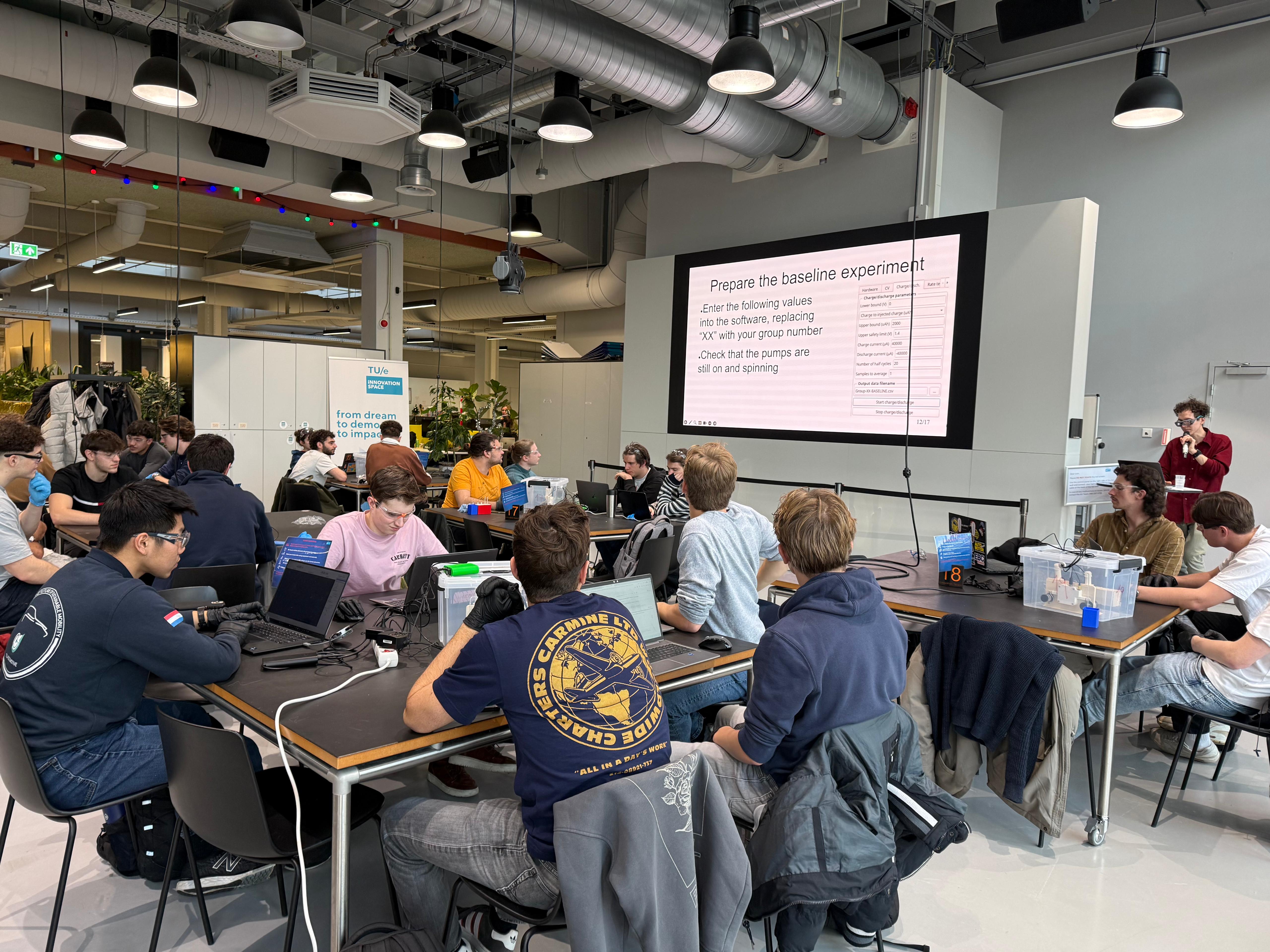
Running 20(!) flow battery experiments in parallel at TU Eindhoven with undergraduate engineers

Acknowledgements

  • Daniel Fernandez Pinto, PhD (chemisting.com)
  • Josh Hauser, Prof Sanli Faez & FAIR Battery team from Utrecht University
  • Alexander Quinn from the Brushett group at MIT (@quinnale)
  • All the forum members, esp. @sepi, @gus, @czahl
  • All our financial contributors on our Open Collective
  • NLnet’s NGI0 Entrust fund

FAIR Battery

https://nlnet.nl/project/RedoxFlowBattery/

Website, forum, video, build instructions at https://fbrc.dev/

New YouTube video explaining project!

Current cell design

Flow frame design inspired by O’Conner, Bailey et al.1

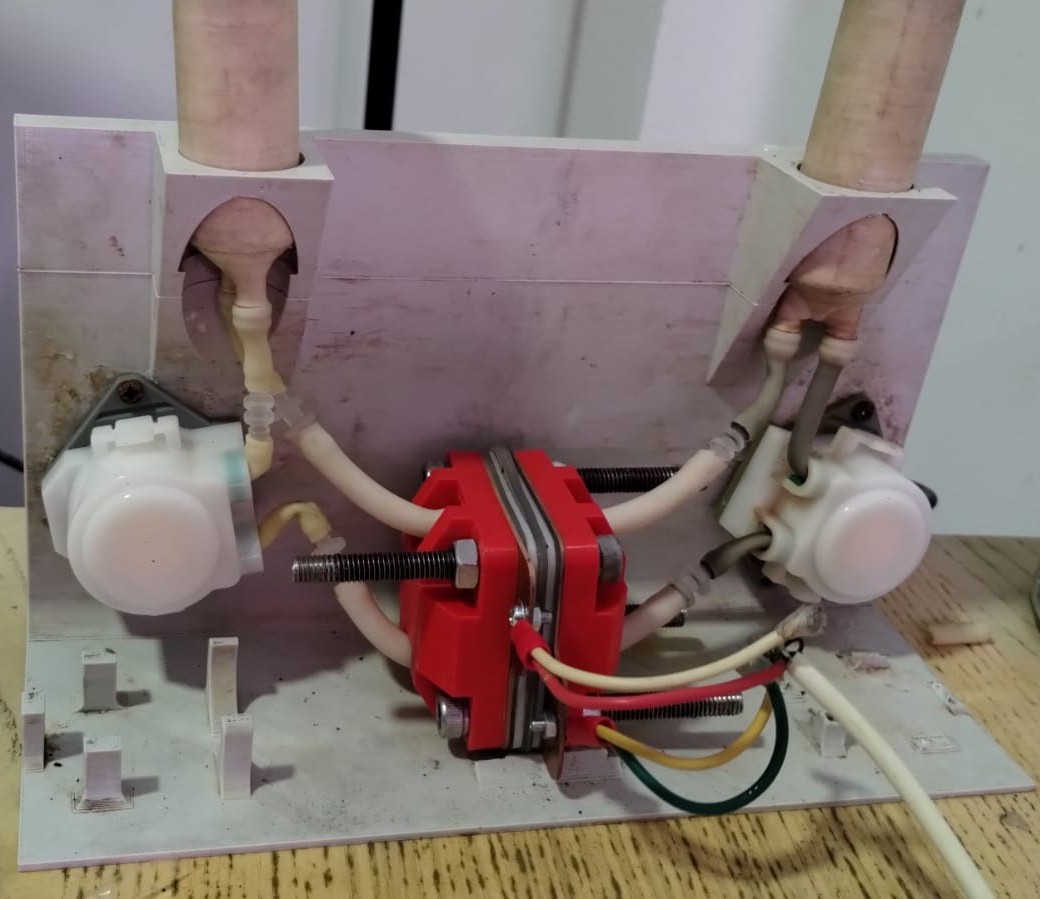
Current status: benchtop cell, “development kit”
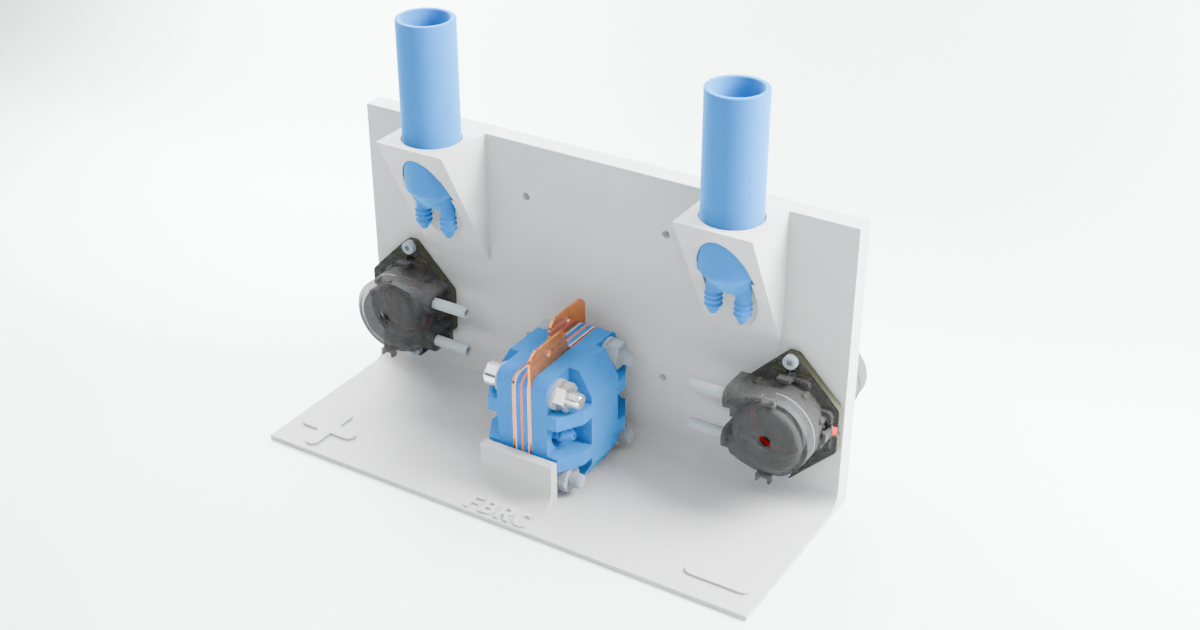
Specified entire system: pumps, tubing, reservoirs, documentation etc. Low-cost, widely available, safe components/materials for ease of replication.

Assembled cell
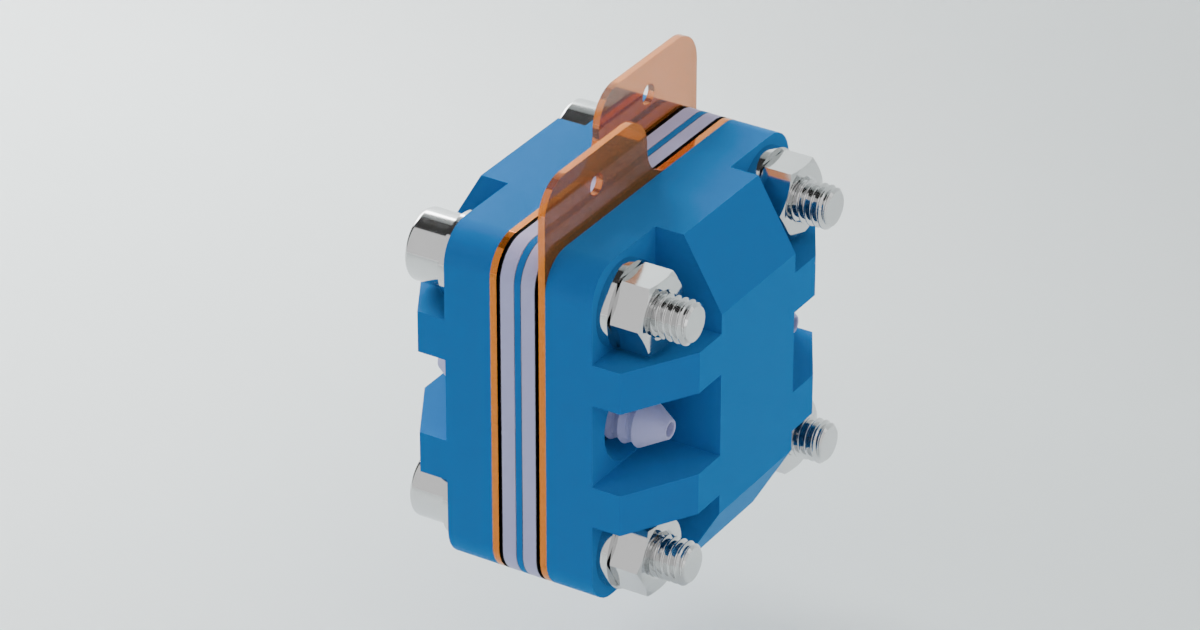
Simple power electronics
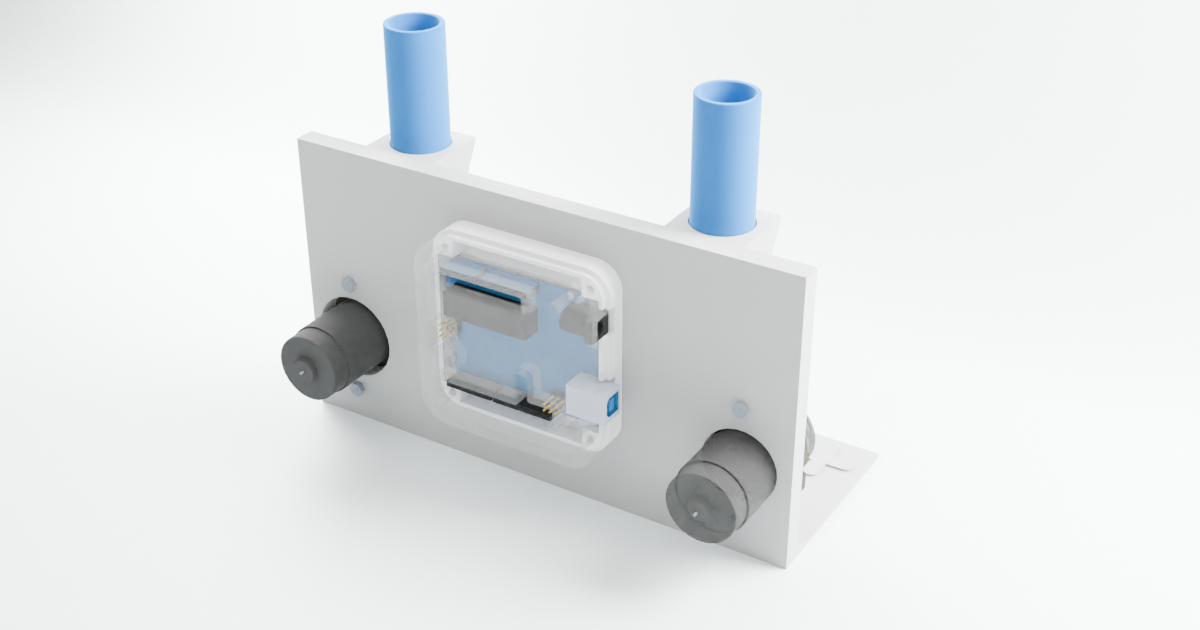
In the lab
First chemistry

Our initial chemistry is zinc-iodine (architecture inspired by Xie et al.1 and electrolyte by Lee et al. 2), but we are exploring more varieties, such as: all-iron, zinc-iron, soluble iron-manganese (with chelates)

  • Negative Terminal (Anode): \(\ce{Zn_{(s)} -> Zn^2+ + 2e-}\)

  • Positive Terminal (Cathode): \(\ce{I3- + 2e- -> 3I- }\)

  • Overall: \(\ce{Zn_{(s)} + I3- -> Zn^2+ + 3I-}, E^\ominus = 1.3 V\)

  • Parasitic reaction: \(\ce{6I- + O2 + 2 H2O -> 2I3- + 4OH- }\) F

  • Triethylene glycol is added to form soluble iodide complexes at higher SOCs

Why Zn/I?

  • Easy to source, low-cost reagents (vs. vanadium, chromium…)

  • Compatible with cheap microporous membranes, such as paper

  • Resistant to dendrites

  • No appreciable hydrogen evolution

  • Acceptable energy density (>20Wh/L)

  • No strong acids or bases needed

  • Lower toxicity (vs. vanadium, chromium…)

Exploring all-iron, water-in-salt electrolytes (WiSE)

Based on Liu et al1, all-iron hybrid RFB approach using highly concentrated divalent chloride salts, e.g. 4.5 M MgCl₂ or CaCl₂ alongside FeCl₂.

  • Negative Terminal (Anode): \(\ce{Fe_{(s)} -> Fe^2+ + 2e-}\)

  • Positive Terminal (Cathode): \(\ce{Fe^3+ + e- -> Fe^2+}\)

Hydrogen evolution greatly reduced.

Initial testing in progress, including approx. viscosity measurements: https://fbrc.nodebb.com/topic/44/only-fe-system/21

Scaling up: control of centrifugal pumps

The pumps we will used for the large-format cell, 6 L/min magnetically-driven

175 cm² flow frame CFD
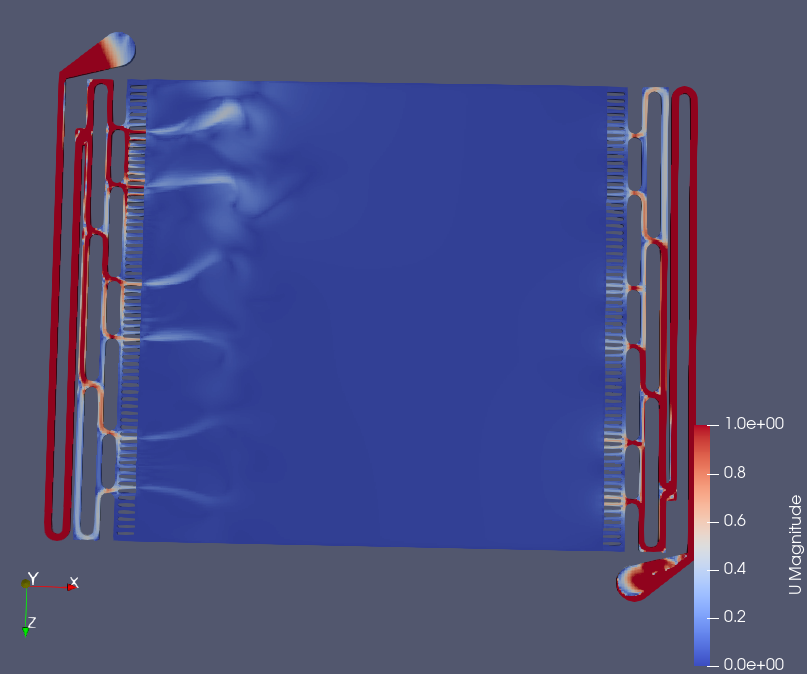
Design in FreeCAD, model in OpenFOAM

175 cm² flow frame CFD
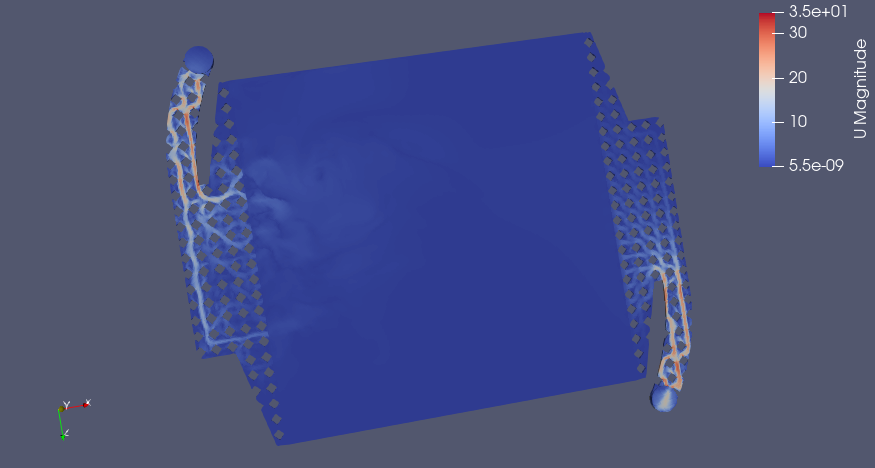
Design in FreeCAD, model in OpenFOAM ## Assembling the 175 cm² cell {visibility=“uncounted”}

Leak testing the 175 cm² cell